Successful Summer College Visits

Image

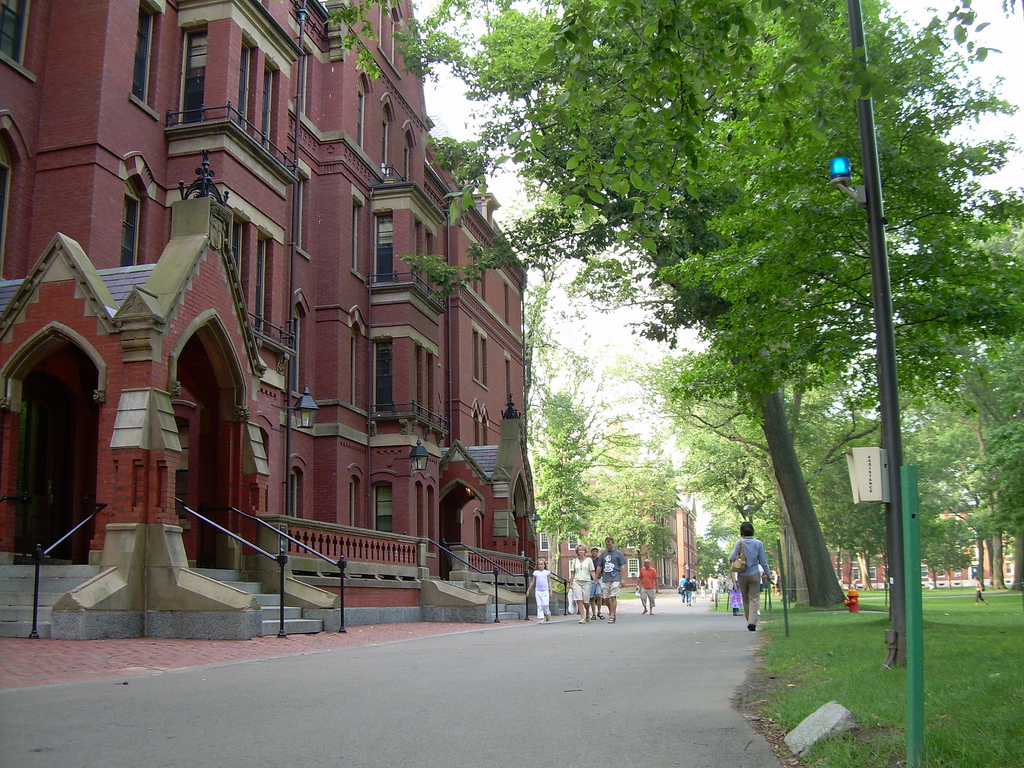
The best time to visit colleges is when they are bursting with excitement during the academic year. Visiting during the school year will allow students the opportunity to live the life of a college student at the school and see if it feels right for them. But, visiting during the academic year is not always an option. Summer is the perfect time for family vacations. Students won’t have to miss school and the weather will be nice. There are advantages and disadvantages of visiting during the summer. In spite of the disadvantages, my tips will help make summer college visits a success.

The Bright Side of Summer College Visits

  • Prospective students won’t miss school. Doing well in high school is very important to getting into college. So, students won’t have to jeopardize their grades by missing school.
  • Visits can coincide with family vacation. Families will already be in the area, so why not visit some college campuses too?
  • The whole family can visit. Sometimes one or both parents cannot visit when students visit during the academic year. Summer visits, if coinciding with family vacations, will allow parents to visit. Plus, siblings can visit too, giving them an opportunity to start thinking about college.
  • The weather will be great. For most parts of the country, the weather will be nice. Visitors probably won’t have to deal with a lot of rain or snow like you might experience during the academic year.
  • There will be plenty of parking. College campuses are notorious for not having enough parking. With students gone for the summer, there won’t have a problem finding a place for your car.
  • Smaller campus tour groups. Campus tours during the academic year can be quite big and impersonal, especially at more popular colleges. Summer campus tours are usually smaller, allowing you the opportunity to connect with admissions representatives and campus tour guides.

Disadvantages of Summer College Visits

  • Not many students on campus. Colleges will feel very different with and without students. There will be fewer opportunities to talk to current students during the summer.
  • No campus activities. If specific extracurricular activities are important, you probably won’t be able to experience them during the summer. There won’t be any sporting events, theatrical productions or club meetings to attend.
  • Can’t sit in on classes. Academics are the most important thing about attending college. During the summer, you probably won’t be able to experience a real class at the college.
  • The weather will be great. The reason this can be a disadvantage is because you won’t be able to see what the weather is really like during the year.
  • You cannot spend the night. One of the ways to truly experience life as a student is to spend the night in the residence halls. However, during the summer, residence halls are usually closed to visitors.

Summer Visits Can Be Successful

  • High schools and colleges are usually on different schedules. While many high schools start in September, some colleges start in August. So, while you have a few more weeks of summer, colleges might already be in session. This could be the perfect time to visit.
  • Schedule college visits well in advance and be flexible with dates. Summer is the time for staff vacations at college. Check in with the offices to make sure they will be open when you want to visit.
  • Attend summer visit events. These events will try to bring together a lot of the things that prospective students want to see or do when they are on campus, including talking to faculty members, sitting in on classes, campus tours, and talking to current students. These events can fill up quickly, so it is best to sign up early.
  • Contact the Admissions Office and let them know want you want in your visit. If you, for example, want to sit in on a History class, talk to a professor, meet a current student and talk the baseball coach, let them know. You may have to be flexible with your dates, but if you give them notice, they might be able to give you everything you want.
  • Get discounts! Yes, continue talking to the Admissions Office and see if they have discounts for things such as hotels, restaurants in the area, etc. A lot of time, they will have these discounts, but they are not publicized on their websites.
  • Talk to the students you do see. There won’t be many students on campus, but there will be some. Talk to them and ask your questions. The person giving you the campus tour will probably be a current student. But, you’ll probably find more in the library, in other offices, or walking around campus.
  • Visit the surrounding community. No matter what, you won’t be spending all of your time on campus. You’ll eventually need to get off campus to shop or have some fun. Find out about the local eateries and hangouts and check them out.
  • Visit only a few college campuses per day. If you try to jam a lot of college visits into one day, it will be hard to really experience them. Plus, after a few visits, things will start blending together.

Lastly, I want to emphasis that it is important to work with the Admissions Office when visiting college campuses. Let them know what is important to you and they will do their best to meet all your needs.


Scholarship Saturday – May 3, 2014

The deadlines for the scholarships that were on this list have passed. To see scholarships that are still accepting applications, visit more recent Scholarship Saturday posts.

Summer Before College Checklist

It is May 1st – National College Enrollment Deposit Day! You made it! I hope that you’ve sent in your deposit by now to save your spot for the fall. And, if you’ve mail the deposit, it doesn’t hurt to check in with the school to make sure they received it!

I know that the past few months have been stressful. You’ve been pouring over your college acceptance letters and financial aid award letters. You’ve done a lot of thinking over the last few months! You can finally breath a sigh of relief because you know where you’ll be going to college in the fall.

Although the hard part of choosing the college is done, there are quite a few things you’ll need to make sure you do this summer. But relax – the list below is easy compared to making your final decision on what college you’ll be attending.

  • Let the other colleges know you won’t be attending. Let them know so that they can close out your application. Plus, letting them know could open up a spot for a student on the wait list, or ensure you won’t have an awkward phone call from the Admission Counselor.
  • Submit your Housing Application/Questionnaire and deposit. Make sure these things are in by the deadline to ensure you’ll have a place to stay in the fall. Plus, if you get the application and deposit in by the deadline, you’re more likely to get your first choice of residence hall.
  • Update your FAFSA and provide required financial aid documents. If you estimated the figures to get the FAFSA in by the deadline, log back in and provide the correct information. Also, if the college is still requesting documents, turn them in. You made your decision based on your financial aid award letter – you don’t want to lose out on a scholarship because you didn’t turn in a document to the Financial Aid Office requested.
  • Make arrangements to have your final high school transcript submitted to the college. Make sure that the transcript is not submitted until final grades are posted.
  • Submit your AP and/or IB test scores. You did all of the hard work, make sure the test scores are in so that you can get college credit!
  • If you have taken college courses, submit the latest official college transcript to the college.
  • Thank everyone that helped you through the college admissions process. People to thank could include your counselor, teachers, letter of recommendation writers, coaches, parents, family members, etc. It was a long process and a lot of people helped out – let them know you appreciate them.
  • Sign up for placement tests, if required by college.
  • Sign up for academic advising and registration. The sooner you sign up for this, the more likely you’ll get the classes you’re hoping to get in the fall.
  • Sign up and attend orientation. New student orientation is a great way to get plugged-in at the college.
  • Continue looking for scholarships. It’s never too late to get a scholarship. There are many great resources available including Fastweb, Zinch, CollegeXpress.

The above list looks long, but the tasks are easy. The tasks are also very important to ensure a smooth transition into college.

And lastly, enjoy your summer before heading off to college.


Not Attending in the Fall? Let Colleges Know

As you’re making your decision about what college you will be attending in the fall, don’t forget to notify the colleges you did not select.

If you were accepted to a college that has other students on the wait list, letting them know you won’t be attending could open up a post for someone else.

There is another reason I push for students to notify the colleges they won’t be attending. When talking about college admissions, most news outlets only discuss the colleges that have low acceptance rates. These colleges typically don’t have to hold their breath for students to notify them that they will be attending in the fall. What is usually left out of the media is the stories about the colleges that are struggling to reach their enrollment goals.

Why am I mentioning this?

As I’ve mentioned before, I worked in college admissions for some time. The last college I was employed was a college that never knew if we’d reach our enrollment goals. We weren’t alone either; hundreds of colleges were like us. When May 1st came around, we had quite a few students that had sent in their deposits. But, we were hoping for more… and needed more to reach our enrollment goals.

If we had not heard back from a student by May 1st, we would start to contact them. Initially I would start with an email asking if they had made their decision. I’d usually get a few emails back letting me know they had decided to attend another college. Eventually I would make phone calls to my students, and would continue leaving messages because most students wouldn’t answer my calls. Deep down, I knew that most of those students that had not replied to us weren’t attending. But, to the administration, they thought we still had a chance and the Admissions Office was to continue contacting the students until we heard back from them.

When I did get students on the phone, it would be awkward, to say the least. I know students viewed these calls sort of like a break-up. I, on the other hand, just wanted confirmation either way. They didn’t hurt my feelings that they weren’t attending my college – I think they forgot that I once attended college and had to turn down other colleges too.

I mentioned all of this because you really should let colleges know that you won’t be attending in the Fall. Most colleges make it easy for you! If you were mailed an acceptance letter, there was probably a reply card included. Just send it back in the mail saying you won’t be attending. If you received your acceptance letter via email, there is probably a link you can go to let them know you won’t be attending. And, if you don’t have either of the options above, you can email either your admission counselor or the general admission’s email to let them know you won’t be attending. And then it will be done – no awkward phone calls or emails!


Questions To Ask About Financial Aid

College is a huge investment of time, energy and money. The money factor puts a lot of stress on students and families because they think that they cannot afford a college education. Luckily, there is financial aid to help with the cost. However, the world of financial aid can be quite intimidating and confusing because each college has its own financial aid policies.

To help you understand the financial aid process at each college, I’ve provided a list of questions you can ask either the Admissions Representatives or Financial Aid staff at each college you are considering.

Questions to ask before applying
General questions about financial aid can be answer by either the admissions representatives or the financial aid advisors. You can contact either department early in the admissions process about financial aid.

What is the total cost of attendance?
Cost of attendance should include tuition, fees, room and board and other costs that must be paid directly to the college. The cost they quote might also include estimates for books and transportation. These items are not paid directly to the college, but are considered a cost you will have while attending college.

Are there other fees I might have to pay that are not published with the general cost of attendance?
At many colleges, some courses will require extra fees. The fee is usually published in the course catalog or class listings, but these are typically not something incoming students see before making their final decision on the college. If there are extra fees, it might be worth asking if you can see a list of all possible additional fees the college may charge.

If there are extra fees to be paid, are they added into MY cost of attendance when figuring out financial aid?
Some colleges will figure these extra costs in, while others do not. It’s good to find out.

How much has the cost of attendance increased over the past four years? Do you expect the cost of attendance to increase at the same rate during my time at the college?
The cost of attendance increases at many colleges every year. It is important to know that what you’re paying your first year will probably be less than what you’ll pay your last year of college.

If the cost of attendance goes up during my time at the college, will financial aid increase as well?
Scholarship amounts do not have to go up with the rising cost of attendance. It is up to the individual college to determine scholarship amounts. Some colleges will increase scholarships, while others will not. If aid does go up, you might see it in loan amounts.

What percentage of your students graduate in four years?
This is an important question because there are many colleges in the country that have students graduating in an average of five years or more. If it takes you five years to graduate, that is five years of tuition and fees to pay! That’s probably a year more than you were expecting. There are many reasons students take longer to graduate. If most students are not graduating in four years, you might want to ask why not.

If the percentage of students that graduate in four years is low, will financial aid, including scholarships, be offered past the fourth year of attendance?
Many scholarship programs are offered with the idea that students will graduate in four years. An additional year may not be covered. This is important to understand because you may not receive any free money after the fourth year.

Besides the FAFSA, is there another application I must submit to be considered for financial aid?
Many colleges do not require anything other than the FAFSA, but there are still some that need more information. You don’t want miss any opportunity for financial aid.

What are the deadlines for applying for financial aid?
Again, you don’t want to miss your opportunity to get financial aid. Students that submit financial aid documentation after the deadline could miss out on scholarships.

Questions to ask after you receive your financial aid award letters
Are the scholarships I received renewable?
Most financial aid award letters will state the terms of the scholarships and grants, but if not, make sure you ask. Colleges sometimes add one-time scholarships to financial aid award letters to encourage a student to choose them over another school.

If the scholarships are renewable, what must I do to renew the scholarships?
You want to make sure that you will be able to do what is required to keep the scholarship.

Will there be opportunities to get more scholarships after the first year?
Some scholarships are only available to first year students. But, there may be others that are only open to upperclassman. It’s good to find out if you’ll have more opportunities to get scholarships.

How can outside scholarships affect my financial aid award letter?
Outside scholarships at some colleges don’t change the scholarships that colleges offer students. At other colleges, the outside scholarships you receive could lower the aid a college offers you.

If offered work-study, are work-study jobs guaranteed? If not guaranteed, what is the process of obtaining a work-study job on campus?
Work-study jobs are not always guaranteed. Many times, students will have to seek out and interview for work-study jobs. It’s good to know this ahead of time so that you can figure out where you want to apply to work.

If I am not offered work-study, are there part-time jobs available on campus?
Some colleges have extra jobs on campus for students that did not qualify for work-study. Others do not.

If you did not receive enough financial aid, can I appeal for more financial aid?
The answer should always be yes. It doesn’t hurt to ask if you can receive more financial aid. Some colleges have tighter budgets for financial aid than others, but if you state your case and show your interest in attending the college, they could increase your financial aid.

If your circumstances have changed since filing the FAFSA, how do I let the college know? Can this change the amount of financial aid I was offered?
Many times, if circumstances have changed, you can notify the college. They may ask for documentation or proof, but they could make changes to your award letter. Again, it doesn’t hurt to ask.

What are the requirements for paying my student account bill?
After financial aid is figured in, most students will still have a balance to pay to the school. At some colleges, the balance is due on the first day of classes. Other colleges require the balance to be paid by the end of the semester/quarter. There are also colleges that allow students to set-up payment plans. It is important to find out your payment options so that you don’t get charged late fees – that just adds to your cost of attendance!

Conclusion
I hope that the questions above will help you to find all of the information you need about financial aid at the colleges you are considering. By taking the time to ask these questions, you’ll make the most informed decision when applying to colleges and choosing the colleges you will ultimately attend.