 JLV College Counseling
7 Creative Ideas To Make Your Dorm Room Feel Like Home


The first real chance to become independent is when you’re going to college. Even though you’ll be able to meet new people and go to cool parties, you’ll most certainly feel homesick from time to time. Don’t worry about that because it is perfectly normal and even the toughest get that feeling occasionally. So go ahead and work on your half of the dorm. Below are some useful tips and tricks which will help you to turn your dorm into a comfy home. Read More
Colleges to Consider in Manhattan

 New York City is one of the most famous cities in the world. It is the most populous city in the United States with a population of over 8.5 million people. The city is home to many fortune 500 companies and the headquarters of United Nations. It has been described as the cultural, financial, and media capitals of the world. The city consists of five boroughs – Brooklyn, Queens, Manhattan, The Bronx, and Staten Island.
In addition to being the most populous city, New York City has more institutions of higher learning than any other U.S. city. Over 600,000 students are enrolled in NYC’s over 120 institutes, colleges, and universities. Therefore, let’s focus on the borough of Manhattan first. Manhattan, or The City as New Yorkers call it, is the most densely populated borough. It is also the most popular borough for tourists with Times Square, Central Park, and Grand Central Terminal. Manhattan is also home to many four-year colleges and university. Below are some of the colleges to consider in Manhattan. Read More
Studying Abroad: The Pros and Cons of International Student Exchange


What many students fail to realize is that foreign exchange is far more than just an opportunity for traveling. Studying abroad is quite an adventure that offers many benefits. However, it also comes with a fair share of disadvantages that students often overlook only to realize later on that this adventure isn’t what they expected. Thus, it’s important that you consider both pros and cons of foreign exchange in order to see whether it’s the right option for you. Read More
14 Items to Add to Your College Move-in List

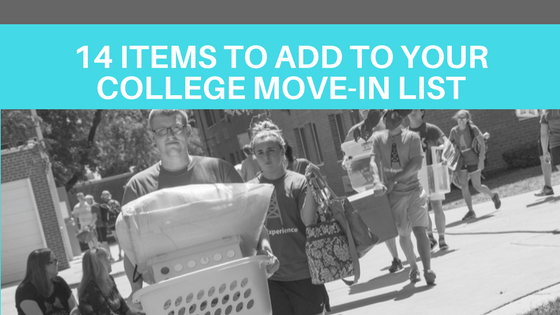
New and returning college students will be moving into resident halls very soon. Most colleges will provide a checklist of items students should bring to campus, such as bedding, a shower tote, and school supplies. Make sure to read the information they send carefully to ensure you know exactly what will be provided and what you can leave at home. For example, you won’t need a study lamp if one is already provided in the room. However, some items might not make the list, but are important just the same. Here are 14 items to consider adding to your move-in list. Read More
Scholarship Saturday – July 22, 2017


The deadlines for the scholarships that were on this list have passed. To see scholarships that are still accepting applications, visit more recent Scholarship Saturday posts.
Buy Me a Coffee

Book Pick of the Month

The link for the book is an affiliate link. You will not pay extra; however, I do receive a small reimbursement if you purchase through the links. Thank you for your support of JLV College Counseling.

 JLV College Counseling