 JLV College Counseling
UC campus specific application information released for Fall 2015

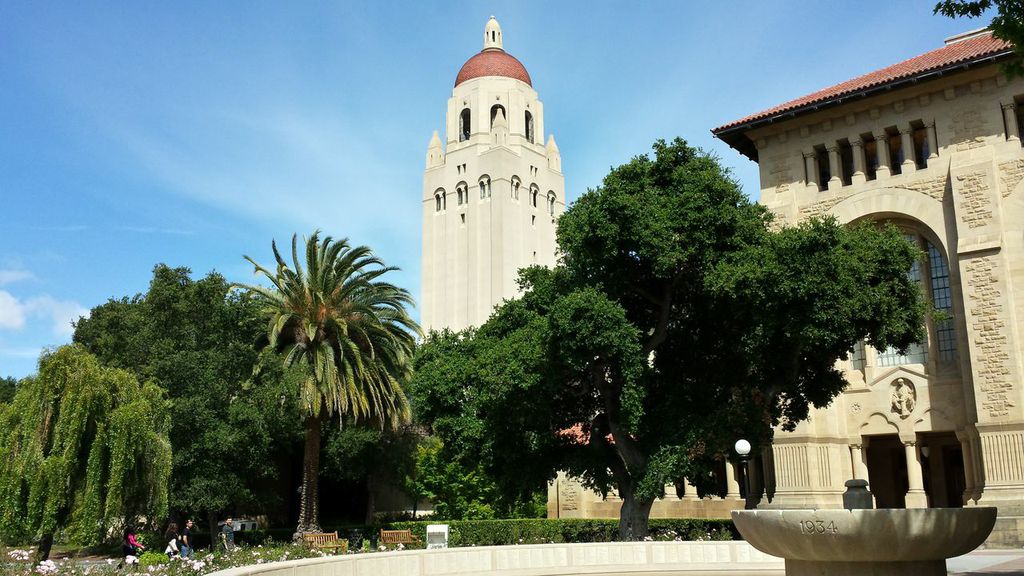
dsc_2772.jpg by Russell Neches licensed under CC BY 2.0.
UC Merced saw the largest percentage increase of applications for Fall 2015.
The University of California released campus specific undergraduate application information on Monday. A total of 193,873 students applied to at least one University of California campus for Fall 2015, an increase of 5.8 percent over Fall 2014. This is the eleventh consecutive year the number of applicants to the University of California has increased. Each campus saw an increase of applications for Fall 2015 with UC Merced having the largest increase at 14.1 percent. Freshman applications saw an increase of 6.5 percent and transfer applications increased by 2.6 percent.
When each of the nine UC campus application numbers were totaled, 678,970 applications were received for Fall 2015. UCLA received the most applications with 112,744, followed by Berkeley (96,082), San Diego (94,280), Irvine (88,792), Santa Barbara (85,208), Davis (79,930), Santa Cruz (54,333), Riverside (47,669), and Merced (19,932). All campuses saw an increase in applications of at least five percent over the Fall 2014 application numbers.
California residents submitted the most applications to University of California campuses. 132,383 California residents submitted applications to at least one UC campuses. 31,651 out-of-state students and 29,839 international students also submitted applications to the University of California for Fall 2015. Specific state and country information was not released with the other application statistics. While the percentage of California applicant increases were small at most campuses, the majority of campuses saw much larger percentage increases of out-of-state and international applicants. UC Santa Cruz saw the largest percentage of international student application increases at 26.1 percent over the previous year. UC Irvine saw the largest out-of-state application increases at 20.4 percent over the previous year.
Ethnicity information was only provided for California residents. Chicano/Latino students remained the largest racial/ethnic group with 32.5 percent of the total number of applicants. The majority of racial groups saw an increase in the total number of applicants with White and American Indian students seeing a small decrease. Asian American and White students rounded out the top three racial groups who applied to UC campuses. Asian Americans were 30.1 percent of the applicants and White students were 27 percent of the applicants. The ethnic groups included in the numbers were African American (6.0%), American Indian (0.7%), and Pacific Islander (0.4%). 3.3 percent of the Californian applicants were missing ethnic or racial information.
California applicants came from all over the state. Los Angeles County had the most applicants with 30 percent of the freshman applicants and 28 percent of the transfer applicants. The Southern California region (Imperial, Orange, Riverside, San Bernardino, and San Diego counties) has the second most applicants with 28 percent of the freshman applicants and 26 percent of the transfer applicants. The San Francisco Bay Area (Alameda, Contra Costa, Marin, Napa, San Francisco, San Mateo, Santa Clara, Solano, and Sonoma counties) was the third largest group of applicants with 24 percent of freshman applicants and 25 percent of the transfer applicants. The rest of the applicants came from regions defined as Central Coast, Central Valley, and Northern California.
More in depth information was given for California freshman applicants. Each of the UC campuses, with the exception of UC San Diego at 39.5 percent, had over 40 percent of their applicants defined as first generation college students. First generation was defined by the UC as neither parent having a four-year college degree. More than 34 percent of the applicants at each campus were defined as coming from a low-income family. Low income was defined as “below the 30th percentile based on the March supplement of the Current Population Survey (CPS) for Californians aged 30-65, or $42,700 or less in 2013 and $45,000 or less in 2014 and 2015.” Lastly, each campus received applications from at least 15 percent of students who come from high schools with Low API scores based on the 2013 scores. UC Merced received the largest percentage of applicants from first generation college students (65.5%), low-income families (59.4%), and low high school API scores (29.9%).
UC campuses are now busy at work reviewing applications. As usual, students should start receiving their application decisions in late March or early April. Specific admission result details should be available in May as they have been in the past.
Want to stay in the loop? Follow this blog to be notified when new articles are published. You can also follow me on Twitter, Facebook or Pinterest for information on college admissions.
Scholarship Saturday – Jan. 10, 2015

The deadlines for the scholarships that were on this list have passed. To see scholarships that are still accepting applications, visit more recent Scholarship Saturday posts.
FAFSA misconception: ‘I don’t qualify for FAFSA’
The phrase, “I don’t qualify for FAFSA,” is something that admission counselors and financial aid officers hear all the time. The phrase is usually a response following a discussion about financial aid requirements. Many colleges require students to fill out the FAFSA to be eligible for financial aid. The phrase, “I don’t qualify for FAFSA,” is a common misconception and here are the reasons why:
- The FAFSA stands for Free Application for Federal Student Aid. United States citizens and eligible non-citizens are eligible to fill out the FAFSA.
- The FAFSA determines federal financial aid eligibility such as the Pell Grant, federal work-study and loans.
- Information provided on the FAFSA is used by states that award state government aid.
- The FAFSA determines a student’s Expected Family Contribution (EFC). Colleges use EFC to determine financial aid eligibility and financial need. Financial need is determined by taking the EFC from the total cost of attendance.
The big misconception when people say, “I don’t qualify for FAFSA,” is that they believe they make too much money to qualify for financial aid. While it could be true a student might not qualify for federal or state grants, they still might qualify for other aid:
- Many students, even students from high-income families, could qualify for federal loans. While it is still a loan, the interest rate is low compared to many other private loans a student could take out to help pay for their college education.
- The cost of attendance at colleges in the United States varies hugely. Some colleges cost as little as a few thousand dollars a year to over $60,000 per year. When colleges are awarding financial aid based on financial need, a student with a high EFC could qualify for financial assistance, including scholarships and grants, at more expensive colleges.
The U.S. Department of Education estimates it takes approximately 23 minutes to fill out the FAFSA. A short period of time filling out the FAFSA is well worth the time if a student could get even a small amount of financial aid. Every little bit helps when it comes to paying for a college education.
Want to stay in the loop? Follow this blog to be notified when new articles are published. You can also follow me on Twitter, Facebook or Pinterest for information on college admissions.
Anatomy of a College Application
Here is a great infographic from our friends at College Choice. Check out the infographic and College Choice for more helpful information.

Source: CollegeChoice.net
Buy Me a Coffee

Book Pick of the Month

The link for the book is an affiliate link. You will not pay extra; however, I do receive a small reimbursement if you purchase through the links. Thank you for your support of JLV College Counseling.


 JLV College Counseling