 JLV College Counseling
68 institutions join the Common Application
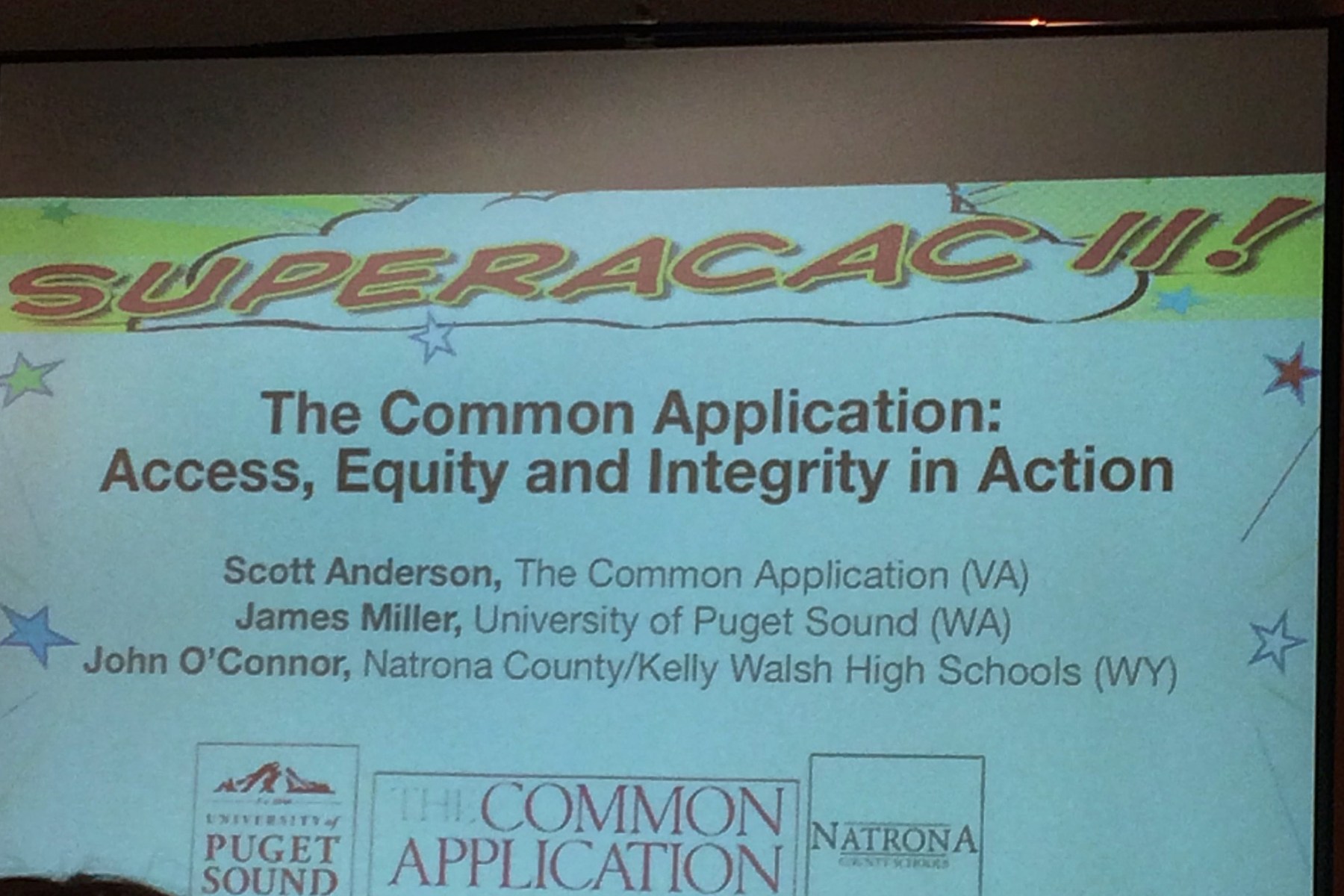
Last week (May 18 – 20, 2015) I attended the SuperACAC conference in Reno, Nevada. Members of Western Association of College Admission Counseling (WACAC), Pacific Northwest ACAC, and Rocky Mountain ACAC got together to talk about all things related to college admissions. One of the sessions I attended was about the Common Application. In the session, Scott Anderson of the Common Application shared that over 60 new colleges and universities would be using the Common Application in the upcoming application season. At the time he was not able to share the names of the new colleges. However, the Common Application has now made the official announcement with the new list of colleges. Read More
Scholarship Saturday – May 23, 2015


The deadlines for the scholarships that were on this list have passed. To see scholarships that are still accepting applications, visit more recent Scholarship Saturday posts.
Scholarship Saturday – May 16, 2015


The deadlines for the scholarships that were on this list have passed. To see scholarships that are still accepting applications, visit more recent Scholarship Saturday posts.
UC freezes undergraduate tuition for Calif. students
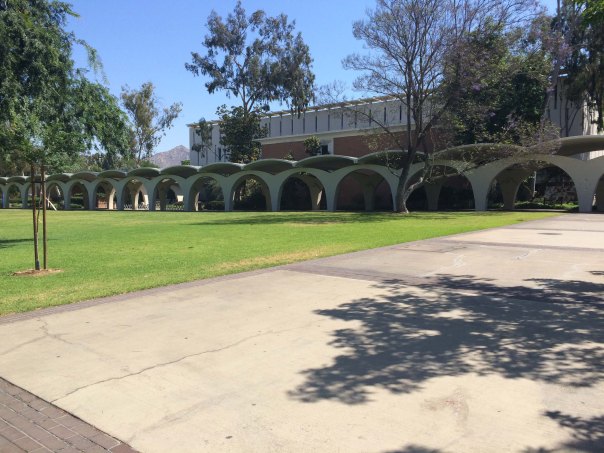
University of California, Riverside
Undergraduate California students at University of California campuses will see no tuition hikes for the next two years. In a statement from the UC Office of the President released May 14, UC President Janet Napolitano announced an agreement was made with Governor Jerry Brown to provide “significant” new revenue. The increase in funding will allow the UC to keep resident undergraduate tuition at the current level of approximately $12,200 per year for the next two years.
The announcement comes months after the UC Board of Regents voted to increase tuition by up to five percent every year for the next five years. Before and after the November Board of Regents vote, UC students throughout California protested the tuition hikes. On many campuses, students took over administration buildings and conducted sit-ins demanding no tuition increases. In January, Governor Jerry Brown and Napolitano formed a two-person committee to study spending and revenue of the University of California.
The tuition cap for resident students was part of Governor Brown’s revised budget released May 14. Other items the revised budget promises to do is “pay down debt and [save] for a rainy day,” increase K-12 and community college funding, and help low-income Californians by establishing an Earned Income Tax Credit (EITC). The budget also will expand the state’s efforts to combat climate change and respond to the drought.
The agreement between Governor Brown and Napolitano provides significant new revenue. There will be a four percent base budget increase every year for the next four years. There will be $436 million provided over three years to cover the UC’s pension obligations. In 2015-16, $25 million will be allocated for deferred maintenance and $25 million to support energy efficiency. Lastly, the regents can authorize an annual eight percent tuition increase for non-California residents.
The agreement also says the University of California will continue or expand their efforts to help California students. The UC will ensure at least one third of all new students are transfer students. In addition, they will eliminate “course bottlenecks” and improve academic advising. There will also be a pathway to a three-year undergraduate degree and they will continue to explore efficiency.
“Governor Brown and I were both focused on the future of California as we worked towards this agreement, which will enable the University of California to continue its role as the nation’s preeminent research university, Napolitano said. “Now the University of California will turn to our state legislators for their much-needed support of the proposed budget and for funding to enroll more California students.”
The terms of the agreement will be presented to the Board of Regents on May 21. California lawmakers now have until Jun. 15 to pass the budget bill.
Differences between the SAT and ACT
Are you trying to determine what college test you should take? Not sure if the SAT or ACT is better for you? Well, my friends over at College Raptor created a great infographic to show the current differences in the test.
Note: The SAT will be making some changes in 2016. However, for students taking the test in 2015, here is some information to determine what test might be best for you.
Click on the infographic below to go to the College Raptor page about the differences between the SAT and ACT.

Buy Me a Coffee

Book Pick of the Month

The link for the book is an affiliate link. You will not pay extra; however, I do receive a small reimbursement if you purchase through the links. Thank you for your support of JLV College Counseling.


 JLV College Counseling